Historical Significance
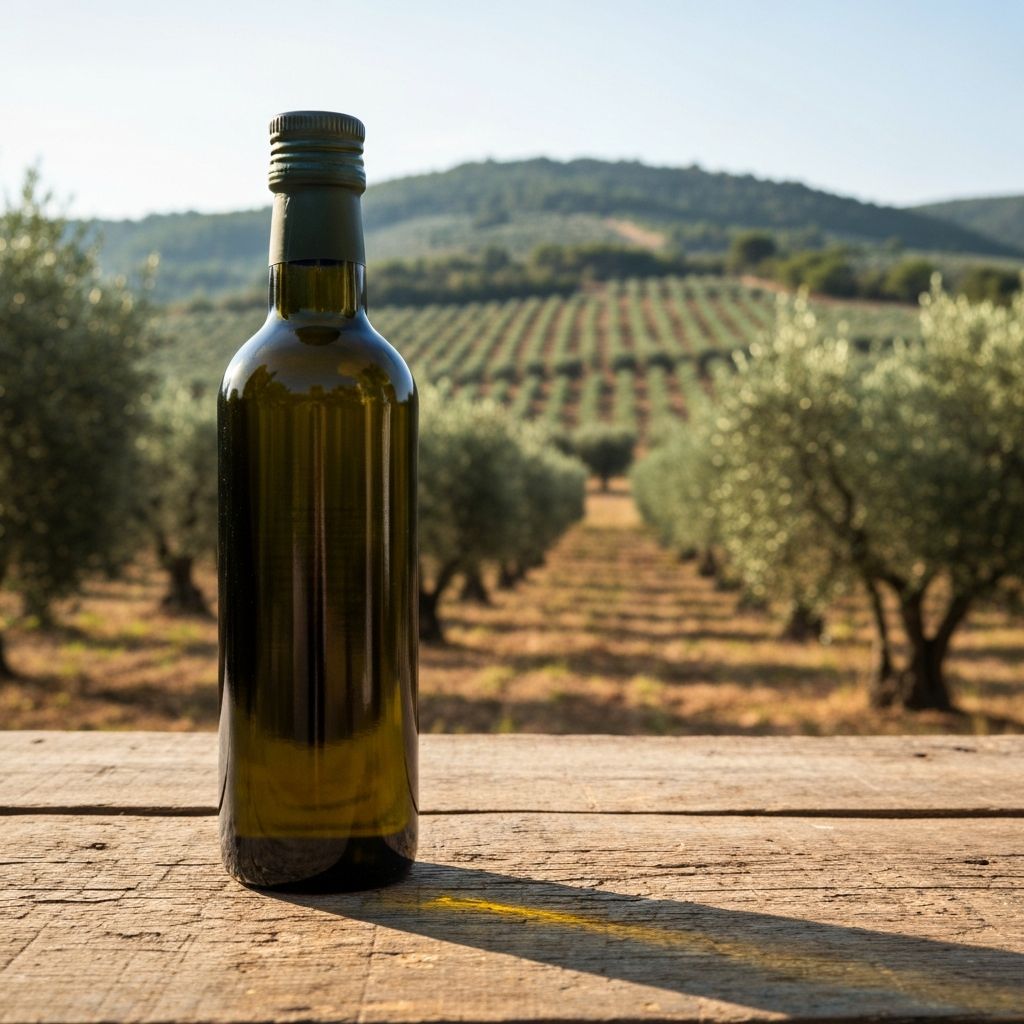
Olive oil has been central to Mediterranean culture for thousands of years. The olive tree thrives in the Mediterranean climate, with its warm, dry summers and mild winters. This natural adaptation made olive cultivation economically viable and culturally important in regions including Greece, Italy, Spain, and southern France.
Archaeological evidence suggests that olives have been harvested for oil in the Mediterranean region since ancient times. The oil served not only as a food ingredient but also as fuel for lamps, a cosmetic product, and a valuable trade commodity. This multifaceted utility made olive oil essential to Mediterranean societies.
Culinary Function
In traditional Mediterranean cooking, olive oil serves as the primary source of dietary fat. Unlike other regions where animal fats such as butter or lard were predominant, Mediterranean cuisines relied heavily on olive oil for cooking, dressing vegetables, and preparing dishes.
Olive oil is used in several ways in Mediterranean food preparation. It is used for sautéing and cooking vegetables, for dressing salads and cooked vegetables, for drizzling over soups and finished dishes, and as a preservative for foods. The quality and flavor profile of olive oil varied based on the region, harvest time, and processing method.
Nutritional Composition
Olive oil is primarily composed of monounsaturated fatty acids, which comprise approximately 79% of its fatty acid content. The remaining composition includes polyunsaturated fats and saturated fats in smaller proportions. Additionally, olive oil contains vitamin E and various phenolic compounds that are extracted during the pressing process.
The fatty acid composition of olive oil differs from other dietary fats, and this distinctive profile is recognized in nutritional discussions about traditional Mediterranean food patterns.
Regional Variations
Different Mediterranean regions produce olive oil with distinct characteristics. Italian olive oils, particularly from regions such as Tuscany, are known for specific flavor profiles. Greek olive oils have their own regional distinctions. Spanish olive oils vary by region. These variations reflect differences in olive varieties, growing conditions, harvest timing, and processing methods.
Modern Availability
Olive oil is now widely available globally, including in UK supermarkets and specialty food stores. International trade has made Mediterranean olive oil accessible far beyond its region of origin. Additionally, local alternatives such as rapeseed oil produced in the UK can serve similar culinary functions in modern food preparation.
Conclusion
Olive oil's role in Mediterranean cuisine reflects centuries of agricultural practice, cultural tradition, and culinary technique. Understanding its historical significance and nutritional profile provides context for appreciating traditional Mediterranean food patterns.