Historical Importance
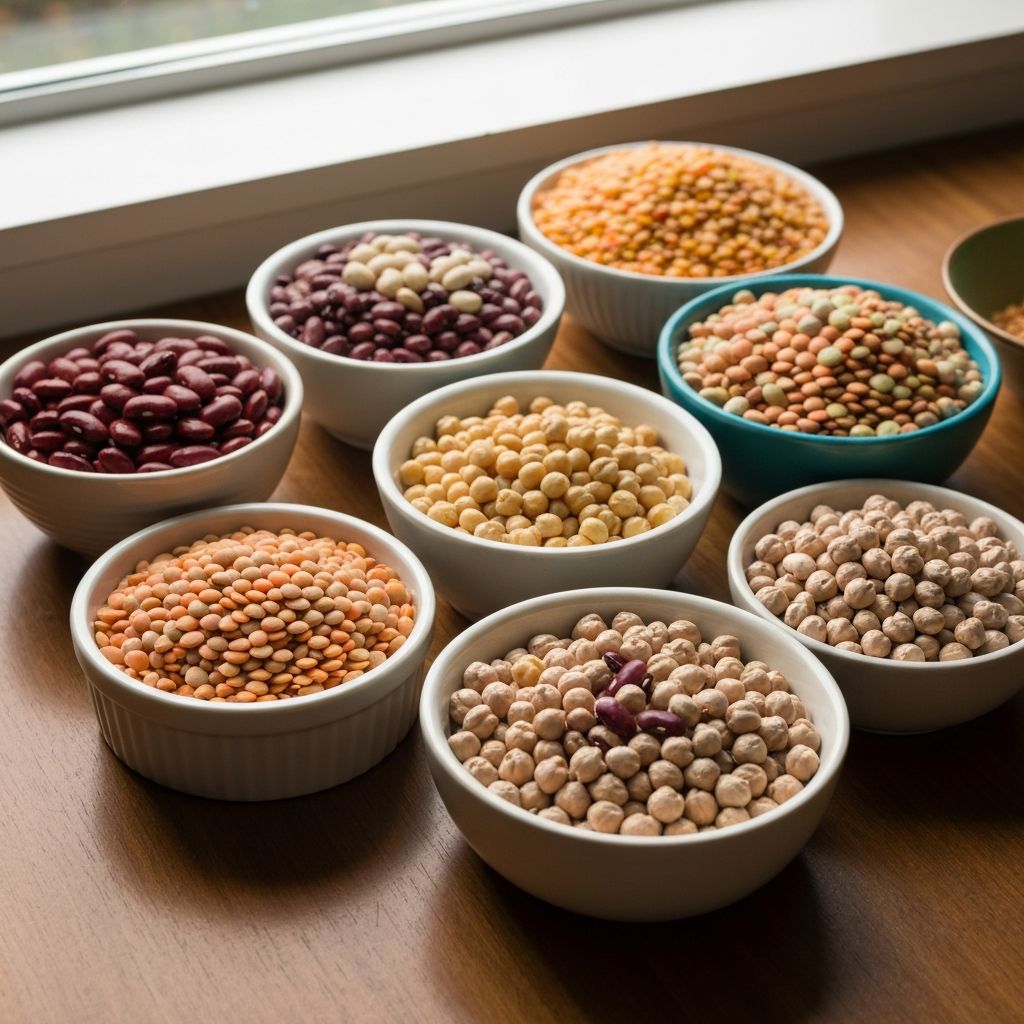
Legumes—beans, lentils, and chickpeas—have been cultivated in Mediterranean regions for centuries. These plants are well-adapted to the Mediterranean climate and soil conditions, making them economically practical to grow. Their ability to be dried and stored for extended periods made them particularly valuable as a reliable food source throughout the year.
Archaeological evidence indicates that lentils and other legumes were cultivated in the Mediterranean region since ancient times. They were fundamental to the diets of ordinary people across Mediterranean societies, providing an accessible source of protein and nutrients in populations where meat consumption was limited by economic factors and availability.
Types and Preparation
Common legumes in Mediterranean traditions include various types of beans, lentils in different varieties, and chickpeas. These were prepared in multiple ways depending on regional traditions and available resources. Legumes were cooked in soups, combined with grains, prepared as stews, or ground into pastes.
The preparation of legumes often involved soaking dried varieties and slow cooking, which both improved digestibility and developed complex flavors. Regional recipes reflect different approaches to legume preparation, reflecting local tastes and available ingredients.
Nutritional Profile
Legumes are recognized as a significant source of plant-based protein, containing approximately 8-9% protein by weight in their cooked form. They also provide substantial amounts of dietary fiber, typically 6-8% in cooked legumes. Additionally, legumes contain minerals such as iron and zinc, as well as folate and other B vitamins.
The combination of protein, fiber, and micronutrients in legumes made them nutritionally significant in traditional Mediterranean diets, particularly for populations with limited access to animal proteins.
Regional Variations
Different Mediterranean regions developed distinctive legume-based dishes. Italian minestrone soups feature beans prominently. Greek cuisine includes various lentil preparations. Spanish cuisine incorporates chickpeas in specific traditional dishes. These regional variations reflect local agricultural practices and cultural food preferences.
Modern Legume Use
Legumes remain central to Mediterranean food culture. They continue to be consumed in traditional recipes and are widely available in markets. In the UK, dried and canned legumes are readily available in supermarkets, making them accessible for modern food preparation inspired by Mediterranean traditions.
Cultural Significance
Beyond their practical and nutritional value, legumes held cultural significance in Mediterranean societies. They appeared in everyday family meals and were prepared for special occasions. The skills associated with cooking legumes—knowing proper preparation methods, flavor combinations, and cooking times—represented important culinary knowledge passed between generations.
Conclusion
Legumes represent a fundamental component of traditional Mediterranean food patterns, valued for their practical availability, nutritional content, and versatility in regional cuisines. Their historical importance continues to be reflected in modern Mediterranean cooking.