Seasonal Availability in Mediterranean Regions
The Mediterranean climate creates distinct seasonal patterns in vegetable production. Warm summers and mild winters allow for multiple growing seasons and diverse vegetable cultivation. The availability of fresh vegetables varied throughout the year based on natural growing cycles, influencing what foods appeared in traditional meals.
Understanding seasonal availability helps explain traditional Mediterranean vegetable consumption patterns. Spring vegetables, summer vegetables, fall vegetables, and winter vegetables each had their own significance in regional food traditions.
Traditional Mediterranean Vegetables
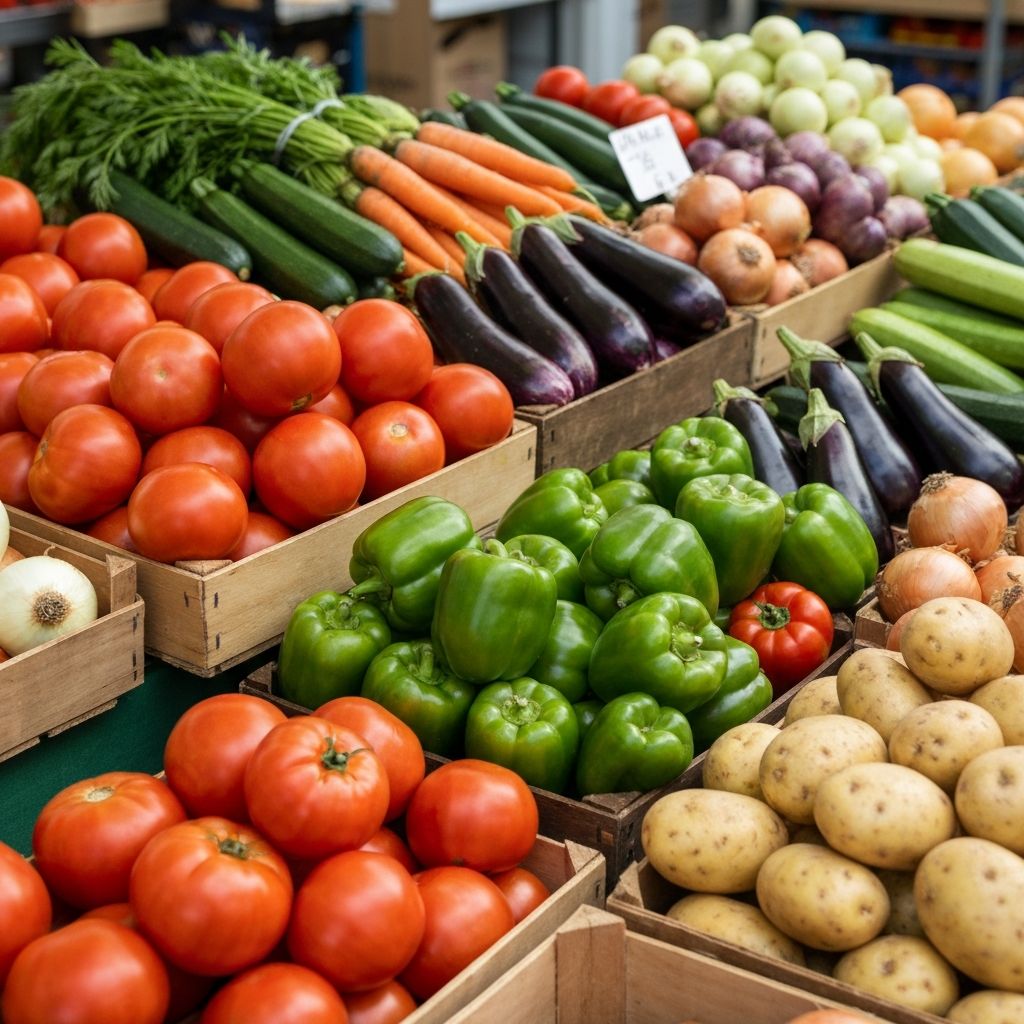
A diverse range of vegetables have been traditionally used in Mediterranean cooking. These include tomatoes, which arrived in Mediterranean regions from the Americas and became culturally central; eggplant; zucchini; bell peppers in various colors; leafy greens such as spinach and chard; root vegetables including onions and garlic; and many others.
Different regions emphasized different vegetables based on local growing conditions and cultural preferences. Italian cuisine features specific vegetables, Greek cuisine others, Spanish cuisine yet others. These regional variations reflect both agriculture and cultural food traditions.
Preparation Approaches
Traditional Mediterranean approaches to vegetable preparation often emphasized simplicity. Vegetables were sautéed with olive oil and garlic, combined in soups, roasted, grilled, or served raw in salads. These preparation methods aimed to highlight the natural qualities of vegetables rather than obscure them with heavy sauces.
Nutritional Contribution
Vegetables provide fiber, vitamins including vitamins A and C, minerals, and phytochemical compounds. Different vegetables contribute different nutritional profiles. The variety of vegetables in traditional Mediterranean diets meant exposure to diverse nutrients from different plant sources.
Seasonal Eating Practices
Eating seasonally meant that vegetable consumption changed throughout the year. Spring might feature fresh greens and early vegetables. Summer provided abundant tomatoes, peppers, and squash. Fall offered root vegetables and leafy greens. Winter featured stored vegetables and hardy greens. This seasonal variation was not a choice but a practical reality of food availability before modern global supply chains.
Modern Seasonal Approaches
Contemporary interest in seasonal eating reflects traditional practices. In the UK, seasonal vegetables are increasingly available from farmers' markets and local producers. British seasonal vegetables such as leafy greens, root vegetables, and brassicas can align with the general principle of seasonal vegetable consumption observed in Mediterranean food traditions.
Conclusion
Seasonal vegetables represent a central element of Mediterranean food traditions, shaped by geography and climate. Understanding seasonal patterns provides insight into how traditional Mediterranean diets were structured around natural food availability.